
The Weirdest B2B Proposals That Actually Worked (Yes, These Are Real)
4 min read

Every sales book will tell you the same thing. Be professional. Be detailed. Be structured. Never surprise the buyer.
And then reality shows up, looks at the rules, shrugs, and signs a deal anyway.
Here are true stories of bizarre, unconventional, borderline insane proposals that closed real business. Not because they were clever. But because they understood human psychology better than any template ever could.
1. The Proposal That Was Literally One Sentence
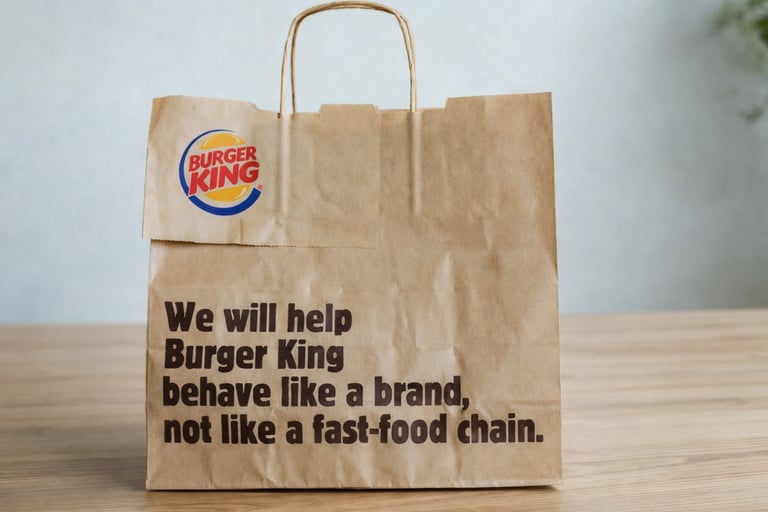
What happened In 2005, advertising legend Alex Bogusky of Crispin Porter + Bogusky was asked to pitch Burger King on a new creative engagement.
Instead of sending a deck, CP+B sent a proposal that said:
“We will help Burger King behave like a brand, not like a fast-food chain.”
That was it.
No slides. No budget breakdown. No scope.
Burger King signed them.
Why it worked Because Burger King already knew what they didn’t want. They wanted someone brave enough to say it out loud.
This proposal wasn’t missing information. It was eliminating doubt.
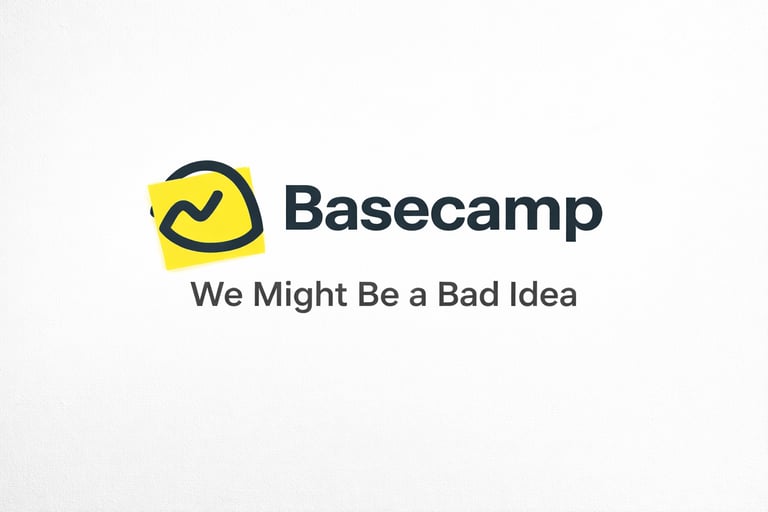
2. The Proposal That Started With “We Might Be a Bad Idea”
What happened Basecamp, the SaaS company, famously pitched enterprise clients with proposals that included warnings like:
“If you need constant meetings, this will frustrate you.”
“If your organization requires weekly status decks, we are not the right partner.”
“If you expect custom features for every stakeholder, please do not sign.”
Clients still signed.
Why it worked Because honesty disarms skepticism.
Most vendors oversell. Basecamp undersold.
And nothing builds trust faster than a vendor who openly admits where things can go wrong.

3. The Proposal With No Price in It
What happened IDEO, the global design firm, is known for sending proposals that explain the problem, approach, and principles but intentionally omit the price.
The price is only discussed live, after alignment.
Clients initially panic.
Then they listen.
Then they buy.
Why it worked Price before value creates resistance. Value before price creates curiosity.
IDEO understood that once a client emotionally commits to the outcome, the number becomes a negotiation, not a deal-breaker.
4. The “Pay Us If You Feel Like It” Proposal
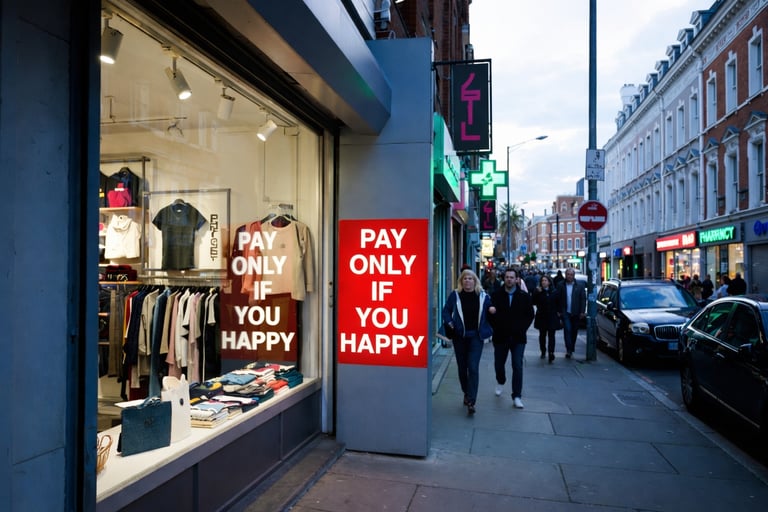
What happened Marketing consultant Alan Weiss has publicly documented multiple deals where his proposal included a clause stating:
“If after the first phase you feel this was not valuable, you owe nothing.”
No guarantees. No discounts. No penalties.
Clients paid anyway.
Why it worked Because the real risk was never financial. It was reputational.
By removing fear, Weiss removed objections.
And buyers rarely exploit vendors who trust them.
5. The Proposal That Looked Like an Invoice
What happened Several enterprise IT services firms have used proposals formatted almost exactly like invoices.
No storytelling. No persuasion. Just phases, deliverables, dates, and totals.
The message was clear: “This is already a decision. You’re just approving execution.”
These proposals have been used successfully in procurement-heavy organizations.
Why it worked Because confidence creates inevitability.
When something feels operational rather than persuasive, people stop negotiating and start approving.


6. The Proposal That Was Mostly Empty Space
What happened Creative agencies pitching Nike and Apple have used proposals with:
One sentence per page
Massive white space
No bullet points
No diagrams
At first glance, it looks unfinished.
It isn’t.
Why it worked Because cognitive overload kills decisions.
White space slows people down. It forces them to read instead of skim.
In a world of 40-slide decks, silence is disruptive.
7. The Proposal That Openly Threatened to Walk Away
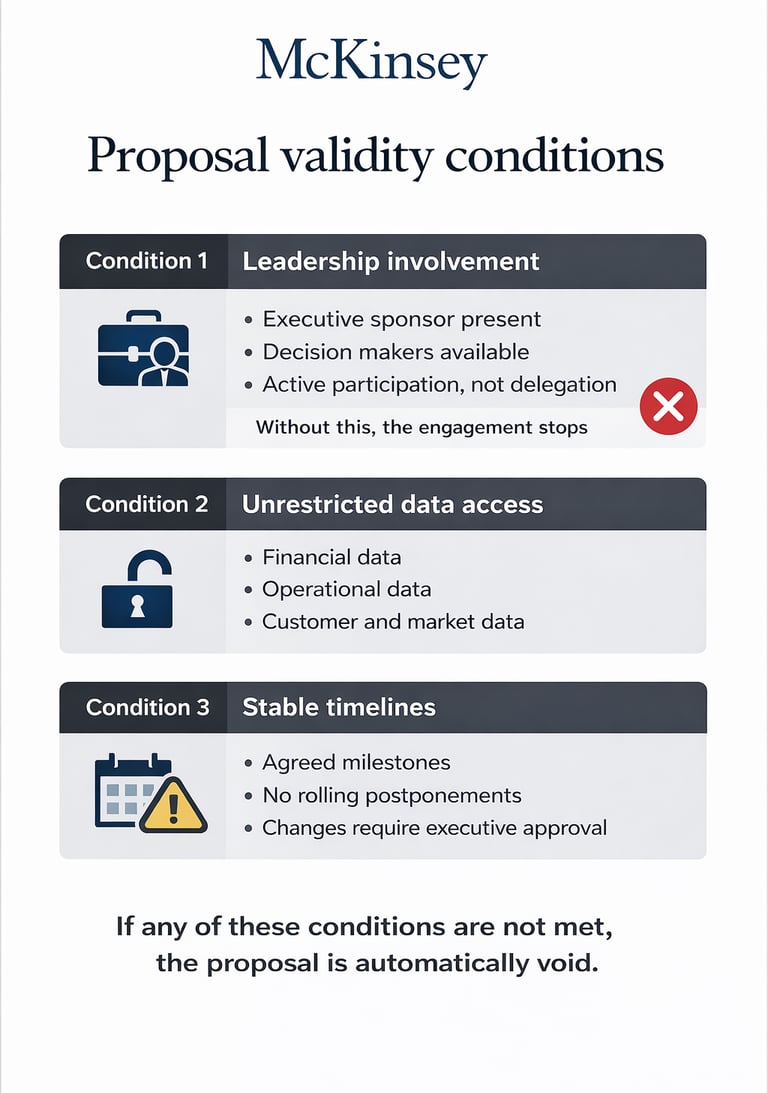
What happened McKinsey has long used proposals that explicitly state conditions under which they will disengage:
If leadership is not involved
If data access is restricted
If timelines keep shifting
Clients still sign.
Why it worked Because buyers don’t want suppliers. They want partners who protect outcomes.
A vendor willing to walk away feels safer than one willing to accept anything.
What These Ridiculous Proposals Have in Common
They are not funny because they’re silly.
They’re funny because they violate every “best practice” while still being brutally effective.
They do one thing extremely well:
They reduce fear.
Not by explaining more. But by controlling the decision environment.
The Uncomfortable Truth About Proposals
A proposal is not a document.
It’s a psychological safety mechanism.
It helps a buyer answer one silent question:
“Can I defend this decision if it goes wrong?”
The weirdest proposals succeed because they:
Align risk
Set boundaries
Signal confidence
Remove pressure
They don’t look professional.
They feel safe.
Final Thought
If your proposal feels boring, that’s not a problem.
If it feels heavy, defensive, and apologetic, that is.
Sometimes the most effective thing you can do is remove 80 percent of the content, say one honest thing, and stop talking.
History shows that this approach works far more often than most people are comfortable admitting.